A friendly call every day — and someone there when it matters most.
Aunt Mabel calls your elderly loved one every morning for a warm, friendly check-in. And if something's ever wrong, she reaches you right away — so they're never alone when it counts.
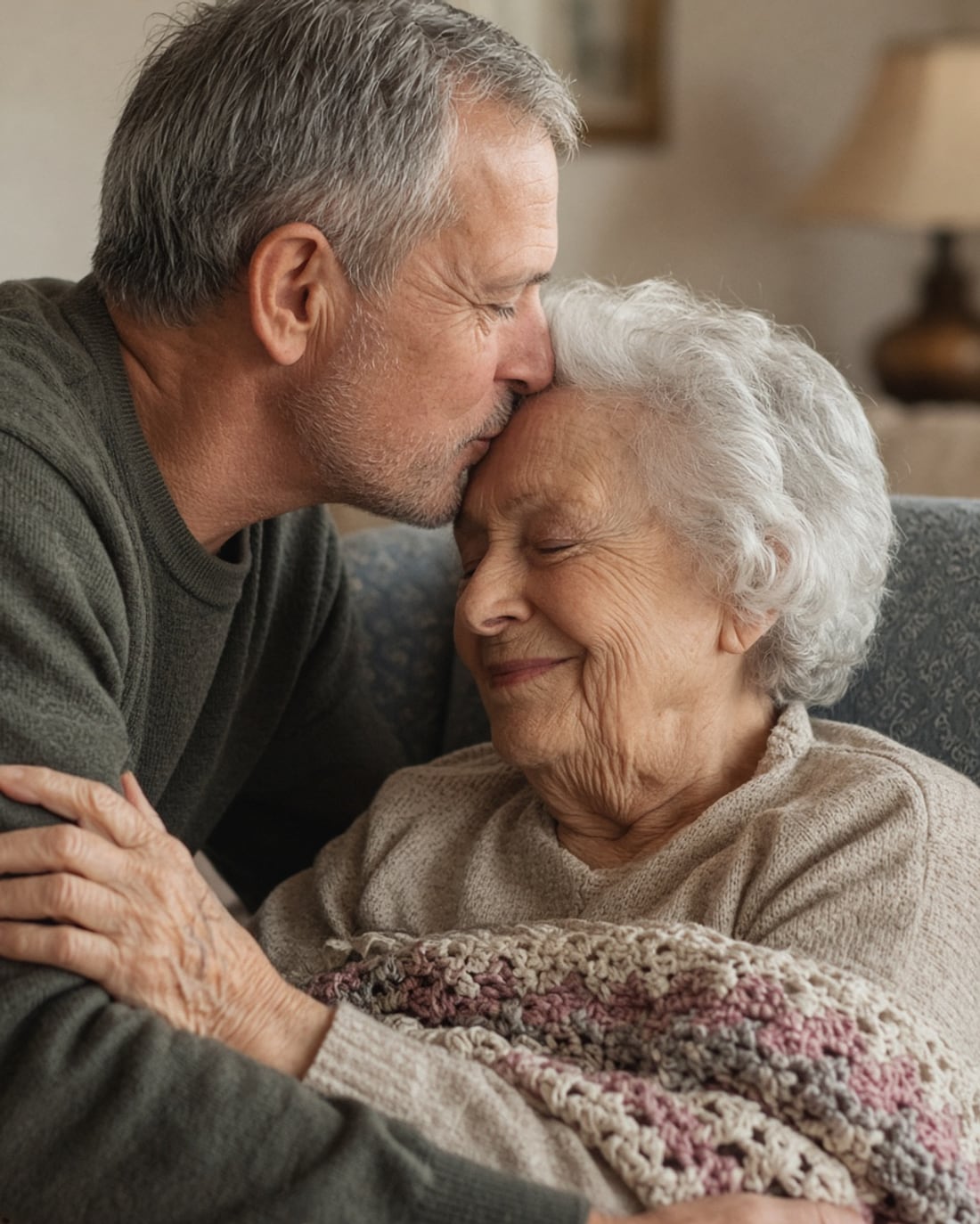
"She had her oatmeal, took her pills, and the roses are blooming."
When did you last hear her voice?
You meant to call Sunday. Then the week happened. You know she's alone in that house — that most days, the phone doesn't ring at all, and she'd never tell you how quiet it gets. She doesn't want to be a burden. So she says she's fine.
Meanwhile you're left wondering. Did she eat today? Did he take his pills? And underneath it, the worry you don't say out loud: if something happened, would I even know?
You can't call every morning. But someone can — someone who listens, remembers, and tells you how she's really doing.
Aunt Mabel is there on the days you can't be. Loneliness ends tomorrow morning at nine.
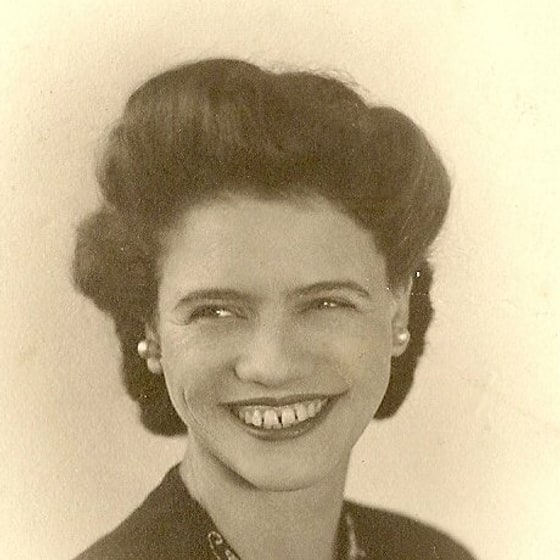
Aunt Mabel was a real person — the founder's great-aunt, who remembered every family member's name at every reunion. Her photo is our logo. Her spirit is the whole service.
Read our story →How it works
Three small steps, and then it simply happens every morning.
Sign up your loved one
Their name, their phone number, and the time of day they'd most like to hear from someone. That's it — nothing for them to set up, download, or learn.
Mabel calls them every day
A real conversation, never a robotic script. She asks about their morning, remembers what they told her yesterday, and lets them talk as long as they'd like.
You stay in the loop
A warm summary of every call lands in your family dashboard. Good days are good days — and if something's wrong, you hear about it right away.
What you'll see each morning.
A short note from Mabel after every check-in.
Dorothy told Mabel about meeting her husband Earl at a dance in 1961 — she said she noticed his shoes before she noticed him. She'd slept well and had eggs and grits for breakfast.
Mabel and Dorothy talked about the tomatoes coming in and the heat holding on longer than it should. Dorothy mentioned her neighbor brought her a pie.
Dorothy said her air conditioner has been struggling and the house is warmer than she'd like. She didn't want to bother anyone about it.
Names and details here are an example, not a real family.
A warm daily check-in
It feels like a visit from a friend, not a questionnaire. Mabel gently makes sure they've eaten, taken their medicine, and slept alright — and then she stays for the part that matters just as much: the company.
"Morning, Ruth. Did you get to your coffee before the crossword this time?"
She reaches you the moment it matters.
If your loved one is ever in distress — a fall, chest pain, confusion, a scare — Mabel doesn't wait until tomorrow. She urges them to call 911, and in the same breath she reaches you, right then, bringing you onto the call live.
And if she simply hears something concerning — a fall she mentions in passing, confusion, a bad day — she doesn't just note it. She emails you and your emergency contact right away, and it's waiting at the top of your dashboard. You're never the last to know.
So a frightened parent is never alone — and you're there in seconds.
For real emergencies, 911 always comes first.
A dashboard that gives you peace of mind
Every call, in plain language. A warm summary of how they're doing, a calendar of good days you can see at a glance, and anything that concerns her waiting right at the top.
Flags when something needs attention
Meals skipped, a missed call, a sadness that lingers, a fall she mentions in passing. The day it happens, an email goes to you and to the emergency contact you chose — and it's waiting at the top of your dashboard too.
What Aunt Mabel is — and what she isn't.
Aunt Mabel is a friendly daily check-in and a fast way to reach family. She is not an emergency service, a medical device, or a monitoring system, and she is not a substitute for care or for calling for help.
For any real emergency, always call 911 first.
We'll always be honest with you about what we can and can't promise. That's the only way this works.
Be one of our founding families.
Born from years of disaster response, where we saw the same thing after every storm: elderly people, alone. Aunt Mabel is our answer to the loneliness that's there every ordinary day.
Start their daily calls →14 days free. You're not charged until they've truly welcomed Mabel into their mornings.
Founding family rate with code FOUNDING — yours for as long as you stay.
Cancel anytime. Calls carry on to the end of the period you've paid for, then stop.