Our story
The real Aunt Mabel
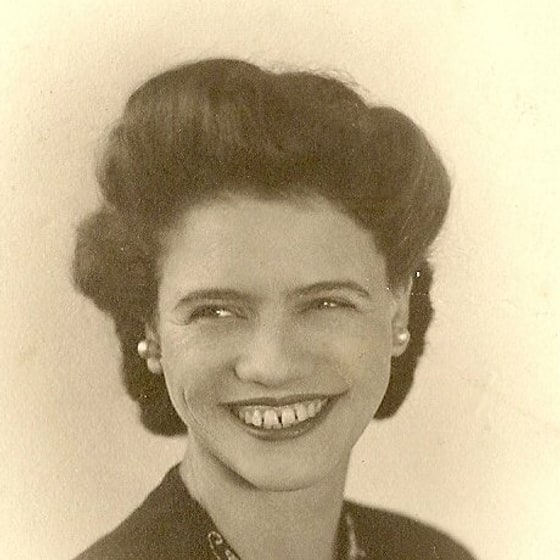
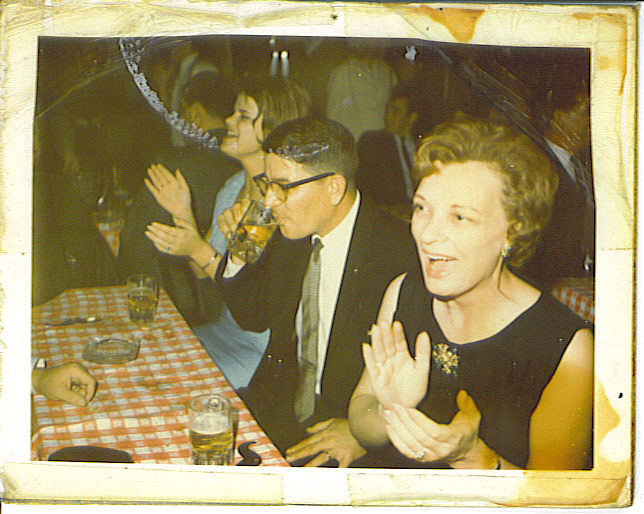
That photo you see everywhere on this site — the woman with the warm smile and the butterfly brooch? That's not a stock photo, and it's not a design choice. That's my Aunt Mabel.
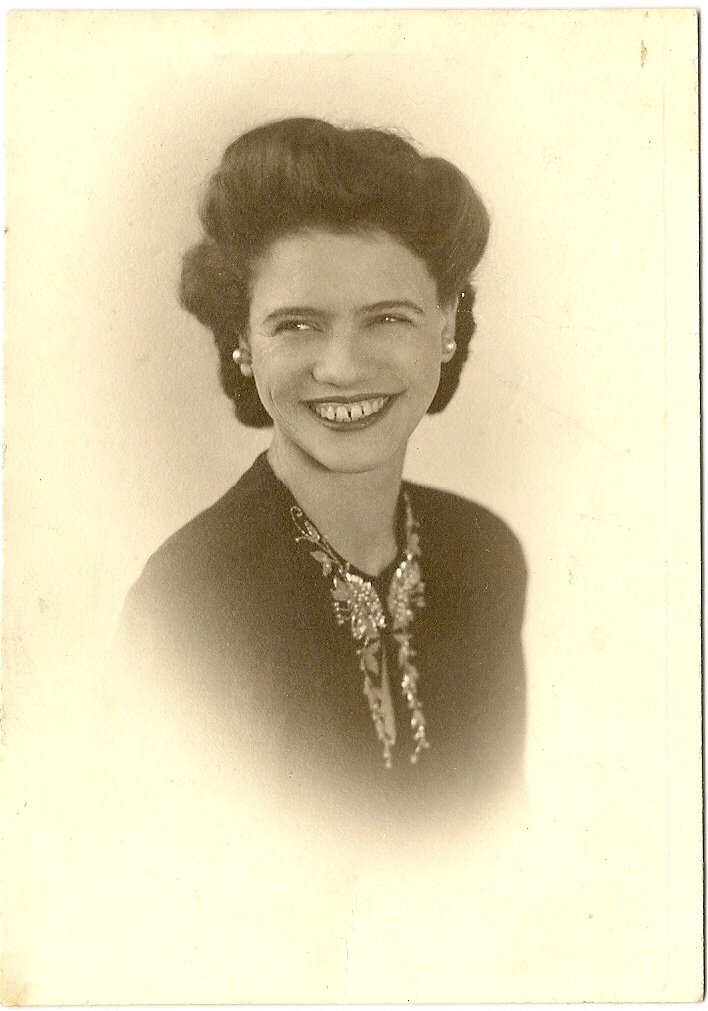
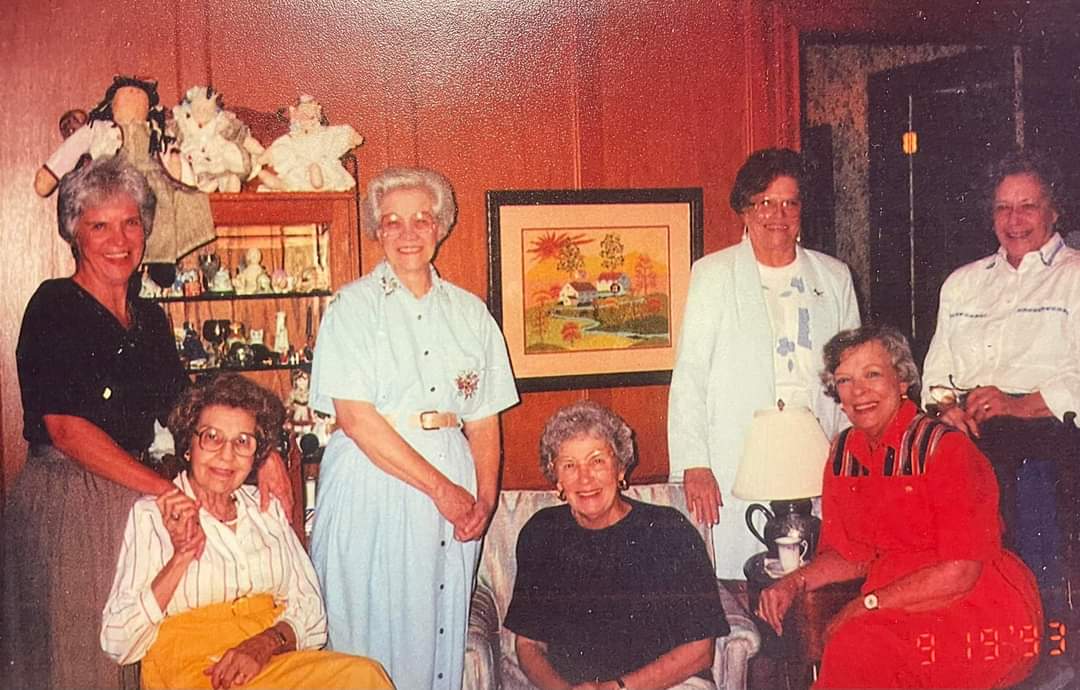
She was my great-aunt — my grandfather's sister. I only saw her a handful of times a year, at holidays and at the family reunion. But she left a tremendous mark on me, the way certain people do. She remembered everyone's name. Every child, every cousin, every new baby in a family that never stopped growing — Aunt Mabel knew your name, asked about your life, and meant it. She and all of my grandfather's siblings were like that: an infectious, kind smile. Laughter. Kindness. Never drama. Always there for you.
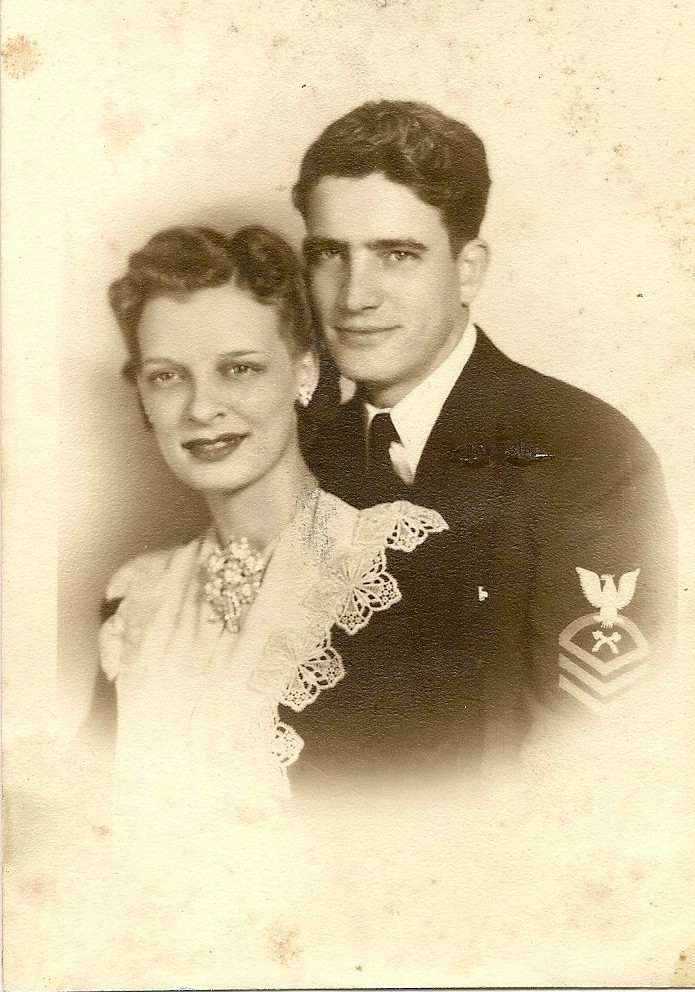
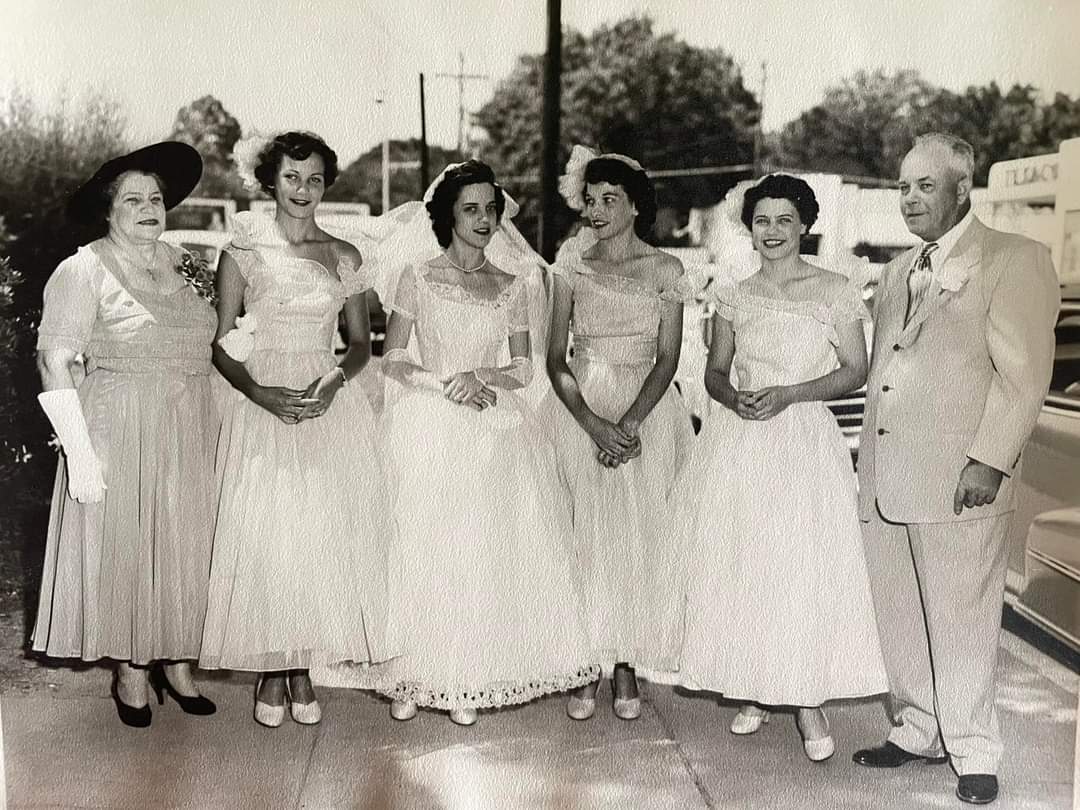
My grandfather, Robert L. Miller, died before I was born, so I never knew him — but I know who he was. An architect, graduated from Tulane. A Navy man who served in World War II. A Mason, and a contributing member of Lake Charles, Louisiana — my hometown, a city he spent his life helping build. He and my grandmother married at nineteen on Treasure Island in 1942, at the Navy base near San Francisco, just before he shipped off to war. That's them in the photograph — him in his dress blues, her in lace.
When he came home, he went to college, raised five children — my mother Kathy among them — and all the while, he and my grandmother were caring at home for a child who needed constant care. They didn't talk about it as a burden. They just showed up, every day, for the people they loved. That's what that whole family did.
My mother died when I was thirteen.
I want to be honest about what that means here, because it's the truest part of this story. I never got to do the thing this service exists to do. I never got to be the grown son who calls to check on his mother. Never got to worry about whether she'd eaten, whether she'd taken her medicine, whether she was lonely in a quiet house. Never got to care for her the way she cared for me. That chance was simply gone before I was old enough to take it.
Most people build something like Aunt Mabel because they're worried about their mom. I built it because I never got the chance to be.
Years later, Hurricane Laura tore through Lake Charles — my hometown, my grandfather's town, the place his buildings stand. It's also where my family rests. My mother, Aunt Mabel, my grandparents — they're all buried there, in the same ground the storm crossed. I've spent years doing disaster response with the Cajun Navy Ground Force, and I can tell you what we found there and what we find after every storm: elderly people, alone. Unreached. Days going by before anyone thought to check. Somebody's mother, in a dark house with no power and no phone call coming. Every one of them was someone's Aunt Mabel. Every one of them deserved what my family gave so freely at every reunion — someone who knew their name and showed up.
So when we built a service whose whole job is to show up every day — to call, to remember your name, to ask how you slept and whether you've eaten, to genuinely care how you're doing, and to reach your family the moment something's wrong — there was only one name it could carry.
Aunt Mabel is what her spirit sounds like: warm, unhurried, glad to hear your voice. The kind of call that leaves you a little lighter than it found you.
If you still have your mother — your father, your grandmother, your Aunt Mabel — you have something I'd give anything for: the chance to care for them. Let us help you take it.
We are a family. And we welcome you into it.
— Rob Gaudet, Founder
Lake Charles born · Cajun Navy Ground Force
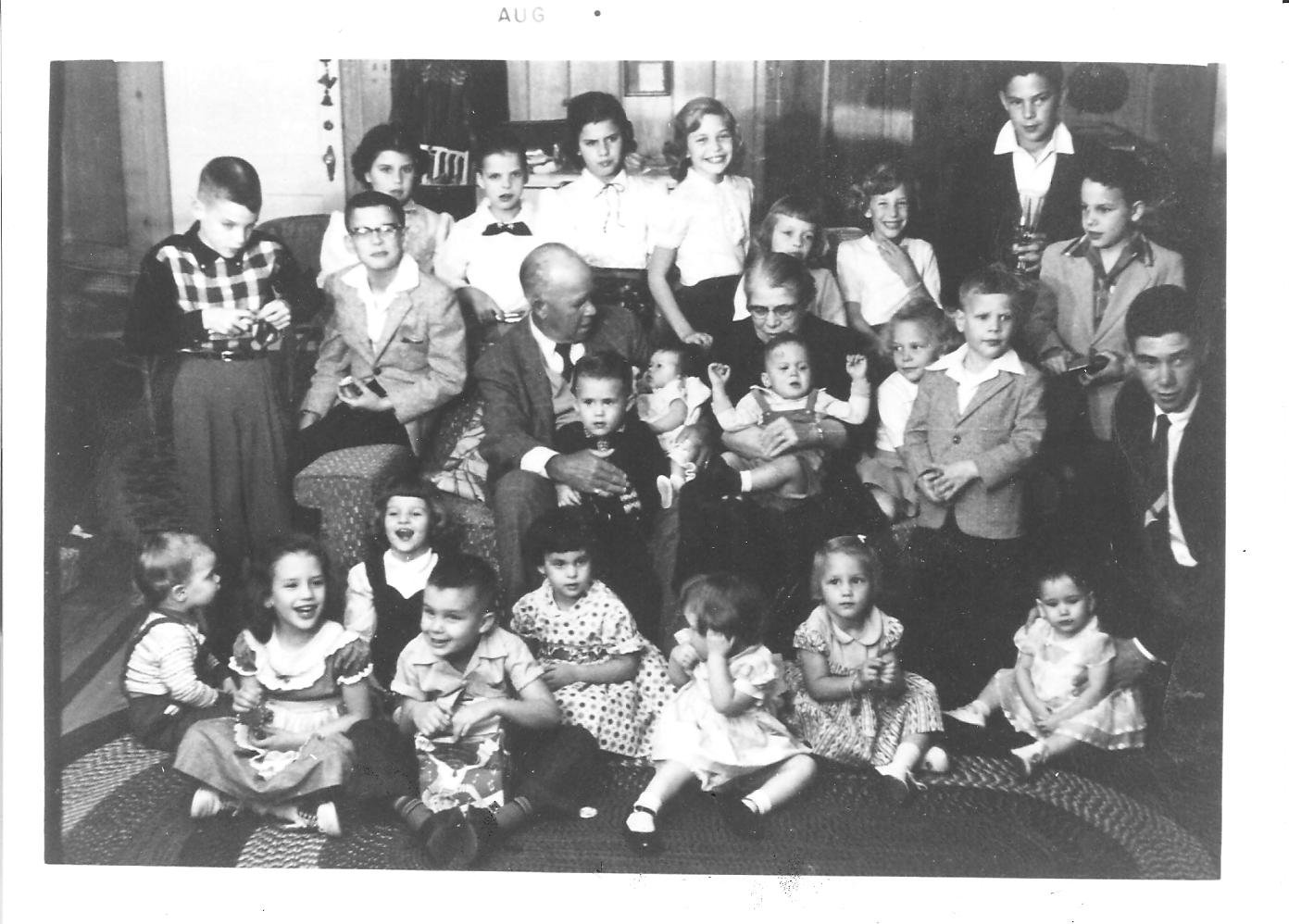
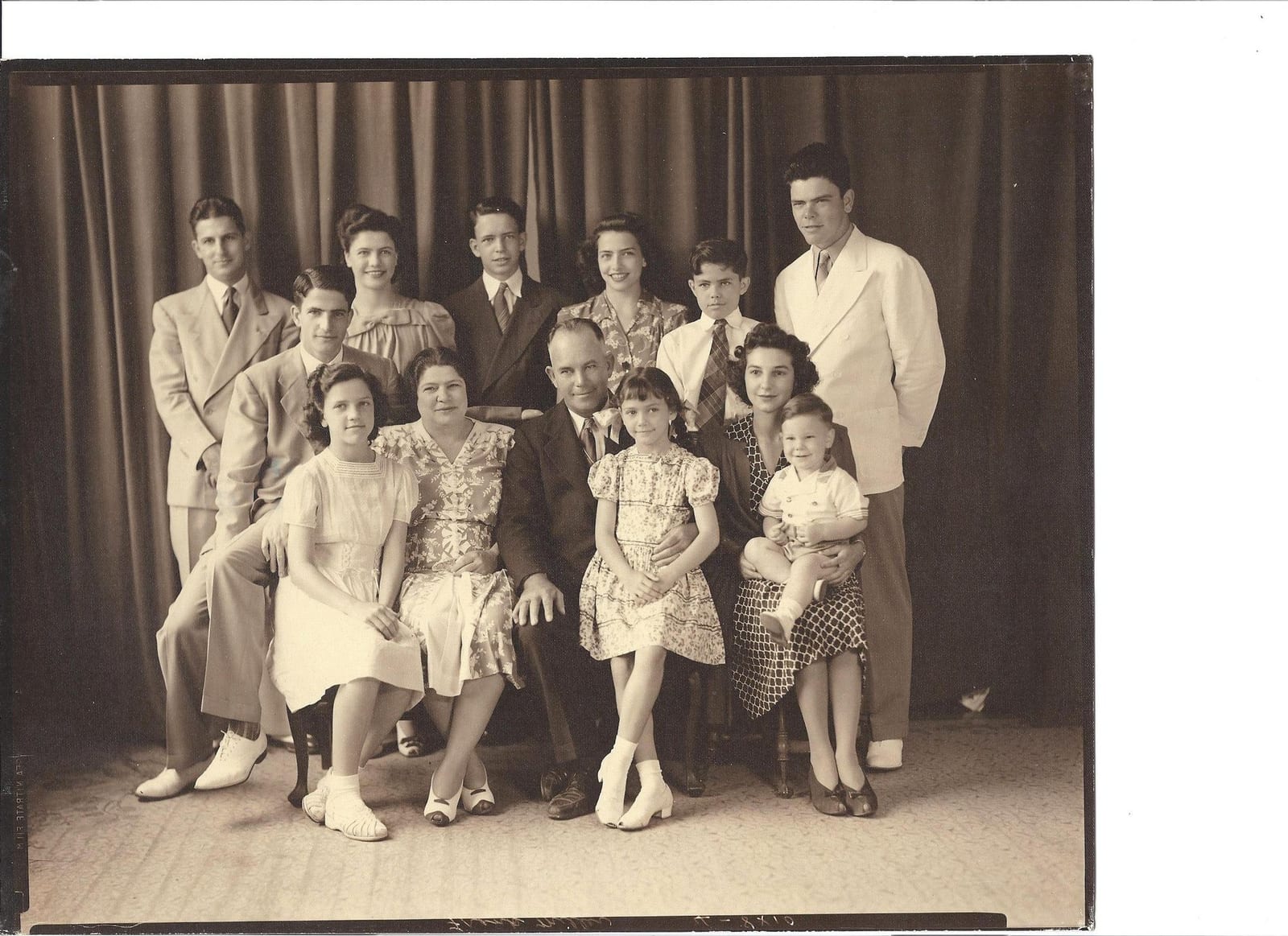
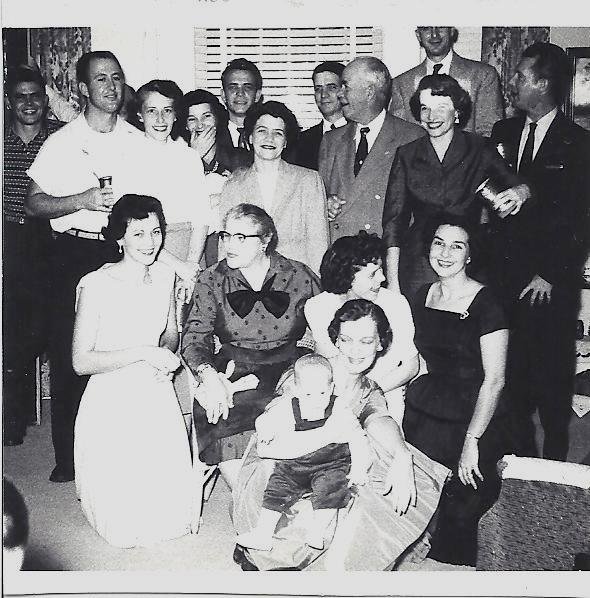
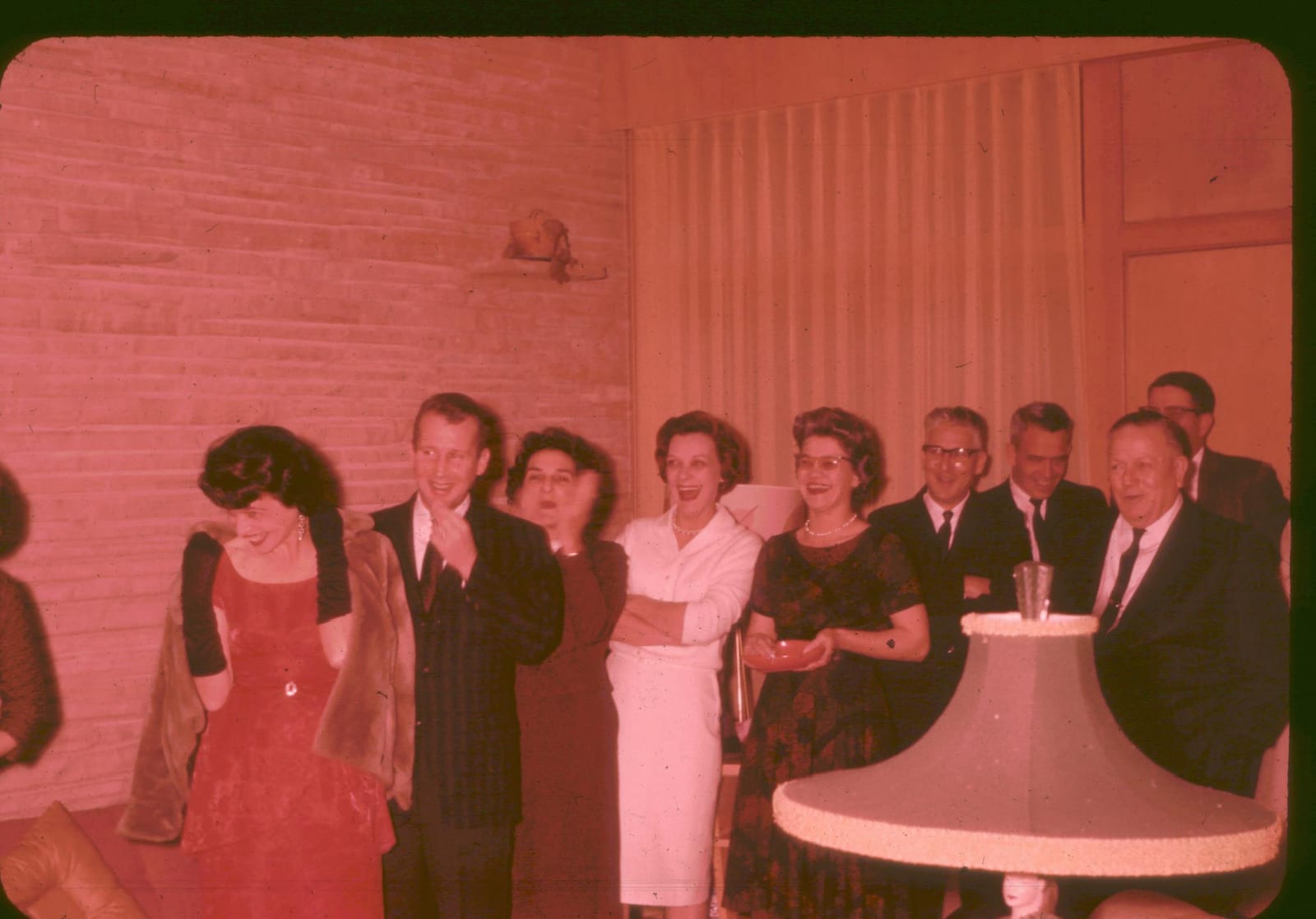
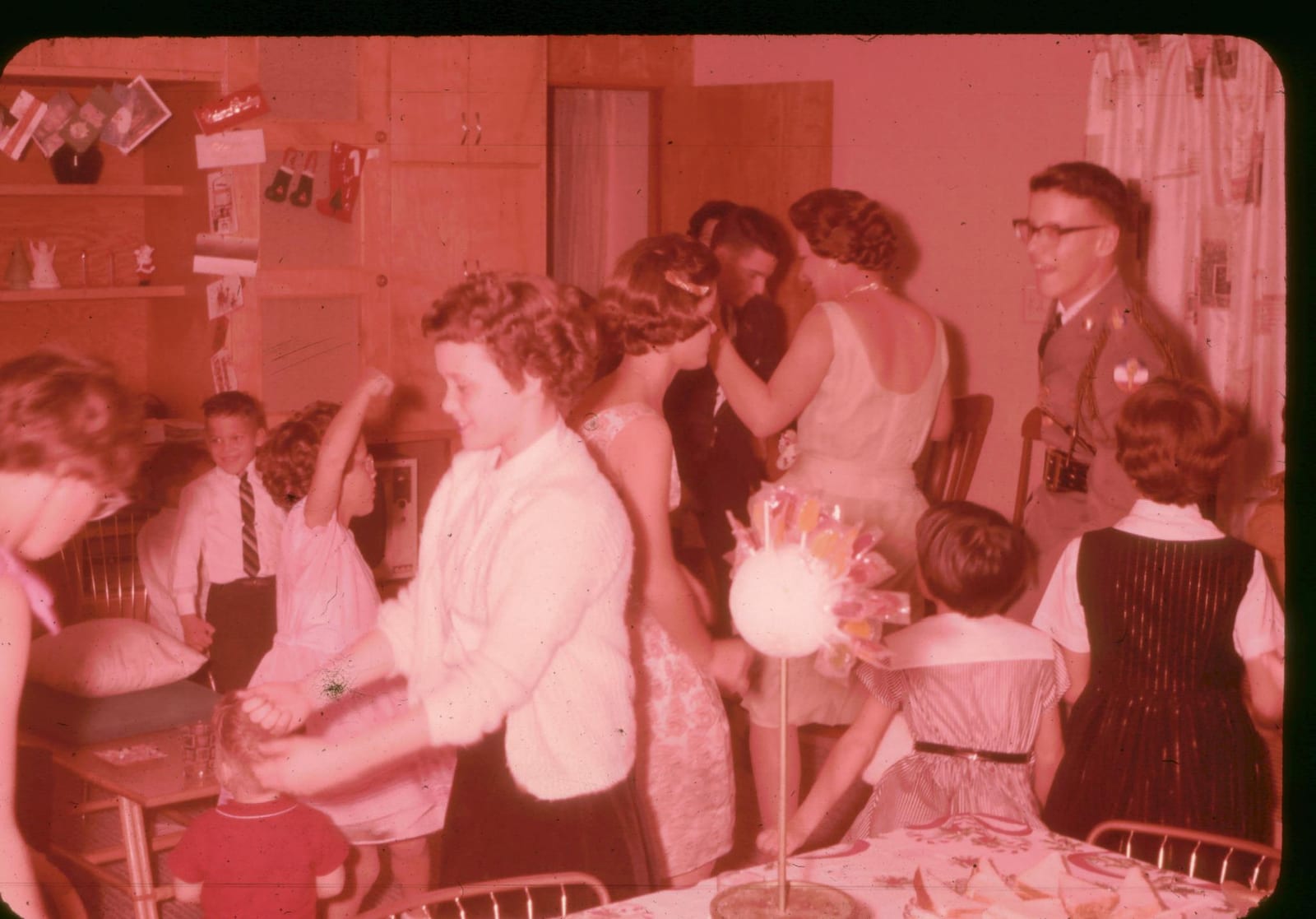
The family, through the years.
If you still have someone to call, we'd be glad to help you call them.
Start their daily calls →